
Clothing Manufacturing in 2026: How Private Label and OEM Models Reshape Apparel Sourcing
Core assessment: The global apparel industry is undergoing a structural shift in how clothing brands source products. The traditional model—design in the West, manufacture in low-cost countries, ship in bulk—is being displaced by a more fragmented system: private label programs, OEM and ODM partnerships, and factory direct clothing procurement. For brands and retailers, the competitive advantage now lies in understanding which sourcing model fits which product category, and which clothing manufacturer can execute it reliably.
The Apparel Sourcing Landscape: Four Models
Brands approaching the market typically choose among four sourcing structures, each with distinct trade-offs.
OEM clothing manufacturer. In an OEM (original equipment manufacturing) relationship, the brand provides designs, specifications, materials, and patterns; the manufacturer executes production. This model offers the brand full design control while outsourcing capacity and labor. It suits established brands with in-house design teams and clear technical specifications.
ODM clothing supplier. An ODM (original design manufacturing) supplier develops designs and products in-house, which brands then select and brand. This accelerates time-to-market for brands without full design capability but offers less differentiation—competing brands may source similar designs from the same supplier.
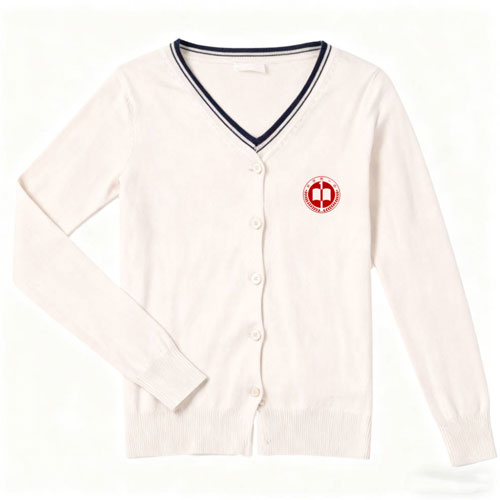
Private label clothing. A private label program sits between OEM and ODM: the retailer or brand specifies product requirements, and the manufacturer produces under the brand's name, often with custom packaging and labeling. Private label is the fastest path to brand identity in commoditized categories such as basics, activewear, and casual clothing.
Factory direct clothing. Buying directly from a clothing factory—bypassing trading companies and intermediaries—offers the lowest unit cost at volume. The trade-off is complexity: the buyer assumes responsibility for quality control, compliance, logistics, and communication. Factory-direct works best for buyers with sourcing experience and sufficient volume to meet factory minimums.
What Separates a Credible Clothing Manufacturer
The apparel manufacturing sector has low barriers to entry, which means the market includes both excellent factories and unreliable intermediaries posing as manufacturers. The following evaluation criteria help distinguish capability levels.
Vertical integration and process control. Does the manufacturer control cutting, sewing, finishing, and quality inspection in-house? Or does it subcontract sewing to smaller workshops? Subcontracting is common in the industry, but it introduces quality variability and traceability risk. A clothing factory that controls its own production lines offers better consistency.
Fabric sourcing and development. Fabric typically represents 50–70% of a garment's cost. A manufacturer with strong fabric sourcing relationships—or in-house fabric development—can offer better pricing, faster lead times, and more reliable quality than one that buys fabric ad hoc from markets.
Compliance and certification. Relevant certifications depend on the target market: BSCI, Sedex, WRAP, and SA8000 for social compliance; GOTS and OCS for organic cotton; GRS for recycled materials; OEKO-TEX for chemical safety. For sustainable clothing programs, certification coverage is not optional—it is the product.
Sampling and prototyping speed. In fashion, time-to-market determines commercial success. Ask about sample lead time, pattern-making capability, and whether the manufacturer can produce counter-samples and fit samples efficiently. A factory that takes weeks to produce a sample cannot support a fast-moving brand.
Quality control systems. A sample that passes inspection does not guarantee that a production run will. Ask about in-line quality control, final inspection protocols, and how the manufacturer handles defects and chargebacks.
Product Categories and Sourcing Implications
Different apparel categories require different manufacturing capabilities and sourcing approaches.
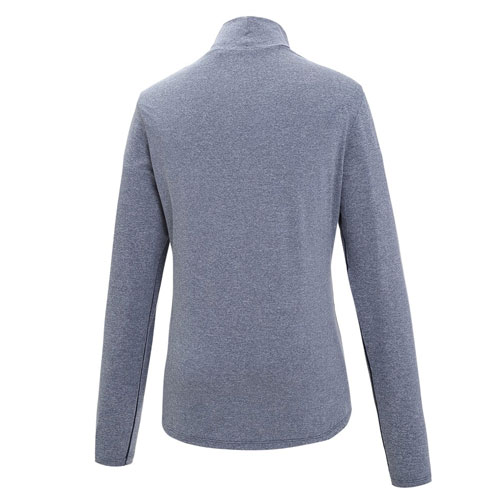
Women clothing and men clothing. These broad categories encompass distinct sub-segments—each with different fit requirements, fabric preferences, and seasonal calendars. Women's fashion typically has shorter cycles and higher SKU counts; men's clothing tends toward longer runs and more standardized sizing. A manufacturer's expertise in one segment does not automatically transfer to the other.
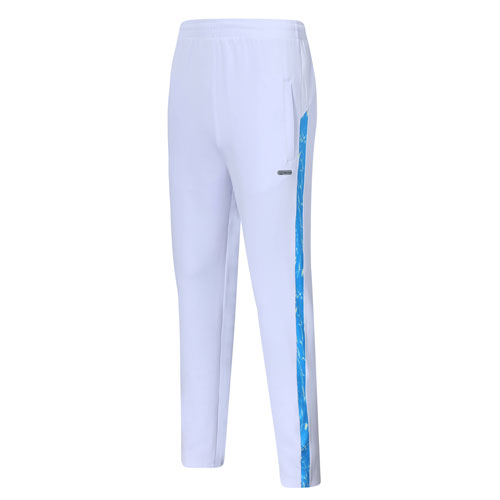
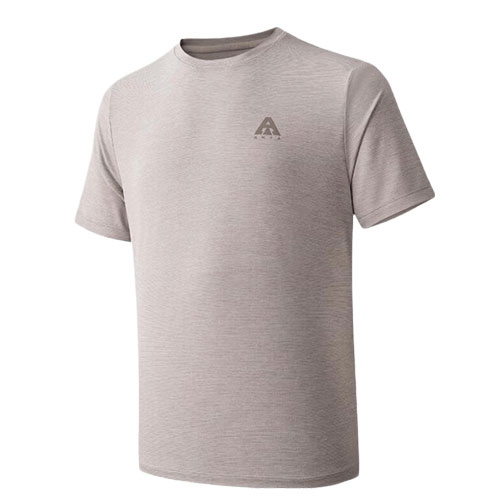
Casual clothing. T-shirts, hoodies, joggers, and denim are high-volume, price-sensitive categories where factory-direct sourcing and private label programs offer the clearest margin advantage. Fabric consistency and fit standardization matter more than design novelty.
Formal clothing. Suits, dress shirts, and tailored garments require specialized construction skills—canvassing, lapel shaping, and precise fit. The supply base for formal clothing is narrower and more geographically concentrated than for casual wear.
Sustainable clothing. Organic cotton, recycled polyester, and low-impact dyes require certified supply chains and documented traceability. A manufacturer without GOTS or GRS certification cannot credibly serve this segment.
Second hand clothing. The resale and vintage market operates on a different model—sorting, grading, and redistribution rather than manufacturing. It intersects with manufacturing primarily through deadstock and overrun sourcing, and through brands incorporating resale into their business models.
Bulk Clothing Wholesale and Regional Sourcing
Bulk clothing wholesale serves retailers and brands that need volume without the commitment of a full production run. Wholesale suppliers aggregate products from multiple factories, offering smaller minimum order quantities and faster turnaround. This suits retailers testing new categories or small businesses that cannot meet factory minimums. The cost is a higher per-unit price and less control over customization.
Regional sourcing decisions involve trade-offs between cost, lead time, compliance, and market access:
China remains the dominant apparel manufacturer globally, offering the deepest supply chain, fastest sampling, and widest fabric selection. Rising labor costs and increased scrutiny of supply chain transparency are the main trade-offs.
Bangladesh, Vietnam, and India have grown as alternatives, offering competitive labor costs and developing capability in knits, wovens, and denim. Bangladesh specializes in high-volume basics; Vietnam has strengths in technical outerwear and sportswear; India offers deep capability in cotton and embroidered products.
Turkey offers proximity to European markets, fast turnaround, and strong capability in denim and knitwear.
Nearshore locations such as Mexico and Portugal serve North American and European brands with shorter lead times and lower freight costs, at higher labor cost per unit.
Practical Guidance for Brands and Retailers
Match the sourcing model to the product's stage. Test new concepts through wholesale or small-batch factory orders before committing to private label or custom tooling. Validate demand first, then invest in differentiation.
Request a factory audit or third-party inspection. For factory-direct sourcing, a third-party inspection before shipment is inexpensive insurance against quality problems. For ongoing programs, periodic audits maintain accountability.
Clarify intellectual property ownership. For custom designs and private label programs, confirm in writing who owns the design, the patterns, and the brand assets. Ambiguity here causes disputes later.
Calculate landed cost, not unit price. Include freight, duties, compliance testing, inspection, and packaging in the cost comparison. A lower unit price with higher logistics and compliance costs may not be cheaper.
Build a dual-source strategy. For best-selling products, qualifying a second supplier reduces the risk of stockouts from capacity constraints, quality issues, or geopolitical disruption.
Plan for the trend cycle. Fashion has short lifecycles. Build flexibility into purchase orders—shorter runs, faster reorders—rather than committing to large volumes of a single design.
Invest in a clothing design service if differentiation matters. For brands competing on design rather than price, an in-house or partnered design capability is essential. A design service that understands manufacturing constraints produces designs that are both distinctive and producible.
Market Outlook
The global apparel market continues to grow, driven by population growth, rising disposable income in emerging markets, and the expansion of e-commerce. At the same time, the industry faces pressure on sustainability, supply chain transparency, and inventory efficiency.
For brands, the strategic takeaway is that sourcing in apparel is a portfolio exercise. A mix of wholesale for testing, factory-direct for volume, and private label for differentiation provides both resilience and margin opportunity. The manufacturers that win long-term are those that can move quickly from concept to shelf—and that treat compliance, quality, and communication as core capabilities rather than overhead.
The most successful clothing brand is not the one with the lowest sourcing cost. It is the one that matches its sourcing model to its brand promise—and partners with manufacturers that can deliver consistently, season after season.